



Asked to name his Seoul soul food, An Joonyoung chose the pork bones at Hannamdong Gamjatang. The creative director of House Never Dies, who also works as a stylist, told Esquire Korea that the impression of his first ppyeojjim there remained vivid. A dish had survived the succession of things it is his job to notice.
It is an attractive recommendation. Someone whose work involves choosing what belongs beside what has chosen dinner. Perhaps the judgment will travel: from a proportion or a silhouette to a kitchen, from clothes we admire to somewhere we might spend an evening. There is pleasure in following another person’s taste. There is also the less disinterested pleasure of imagining their company.
Neither needs to be disowned. A restaurant can be a good reason to dress well. Looking forward to the people at the table can improve an evening before anything is ordered. The invitation, the clothes and the food belong to the same anticipation. Trouble begins when knowing who has been to a restaurant is allowed to stand in for knowing what to eat there.
An’s recommendation supplies an unusually direct answer. Ppyeojjim is the point. His statement does not tell us whom he dines with, how often he returns or what hour he sits down. It gives us something more modest than access and more useful than a rumour: a working designer’s attachment to a particular preparation.
He also gives the choice a geography. His home and office are in Hannam-dong and Itaewon, he told the magazine. In the same interview, he described wanting to keep working in a city that continued to give him work, while wishing for more affection and consideration between people. There was ambivalence in his account of Seoul, but no request to be rescued from his ambition.
This matters to a story about dinner after ten. The tempting version begins with everyone leaving fashion behind for the night. The published accounts lead somewhere less tidy. A retailer’s professional relationship becomes a friendship. A magazine includes a restaurant in a working trip. A clothing business eats before going back to the market. Some of these meals extend the working day; others are personal choices made by people whose jobs happen to involve clothes.
Hannamdong Gamjatang, Hanchu and Yujeong Sikdang offer three different propositions. Their connections to fashion are identifiable, though not equivalent. Their late food service must be considered separately from those connections: none of the professional accounts is a licence to invent a gathering at 11 p.m. The question for a reader arriving then is practical. What can the kitchen provide, and will it be the dinner they came for?
Photograph © 서하니 / 석재네 · Seokjaene · Source · CC BY 4.0 · Uncropped; may be resized and compressed for transfer.
The pork dishes
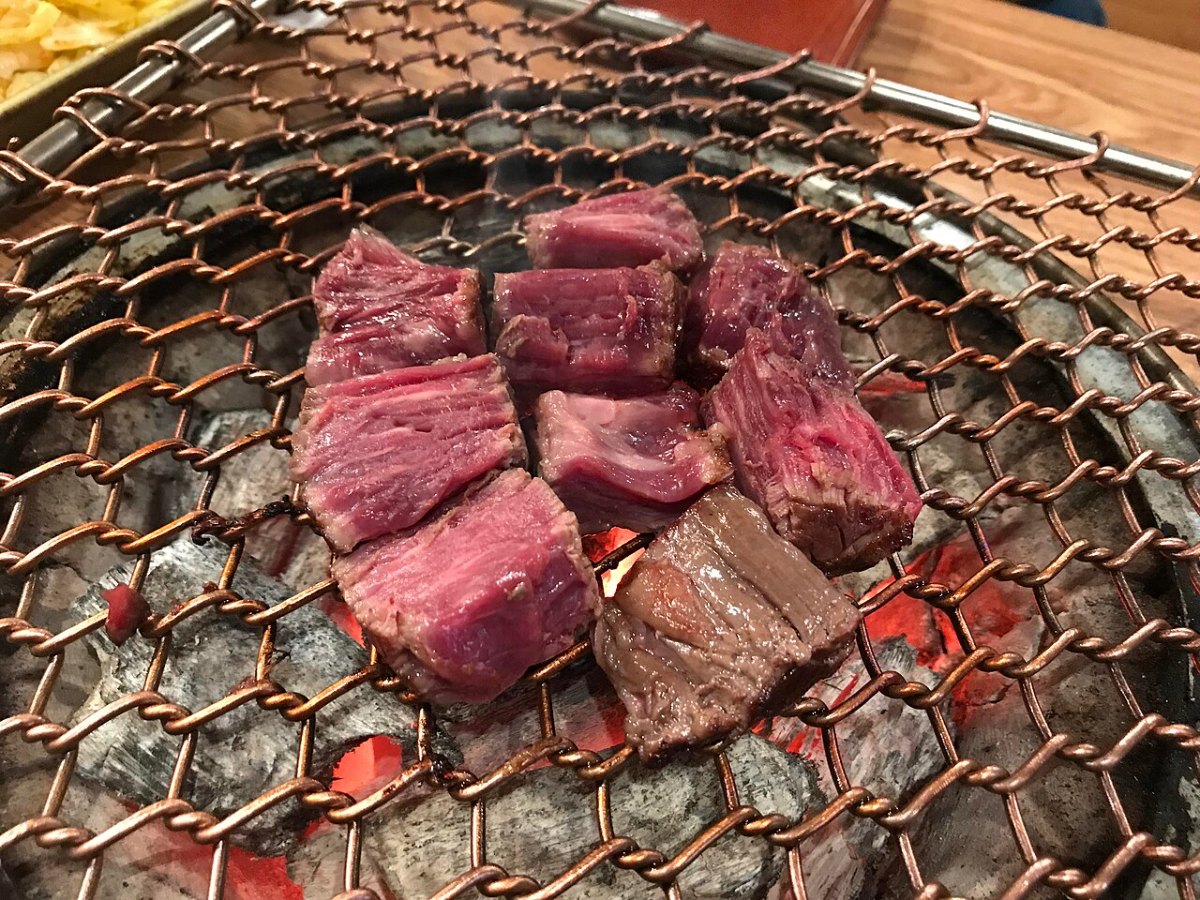
At Hannamdong Gamjatang, the first useful decision is between a pot and a plate. Gamjatang gives broth a central role; ppyeojjim concentrates attention on seasoned bone-in pork and the ingredients served with it. Both are substantial meals. Choosing the latter because a designer remembers it is perfectly reasonable. Choosing the former because you want soup is equally sensible.
The main branch’s own account advertises 24-hour opening at 73 Daesagwan-ro. The address also appears under the older name 24si Ppyeodagwi Gamjatang. That continuity of address is important: another branch’s hours do not determine what happens here. For a late dinner, the attraction is a kitchen whose advertised business extends through the night, rather than a dining room that stays open after it has stopped feeding people.
The menu is more extensive than An’s recommendation suggests. There are standard and aged-kimchi versions of gamjatang, the ppyeojjim, a brothier pork-bone preparation, and chicken dishes. The sensible first order is selective. Two people need not commission a survey of the kitchen to understand why someone likes it.
Published menu listings put the two-person ppyeojjim at ₩36,000, standard gamjatang at ₩32,000 and aged-kimchi gamjatang at ₩36,000, before additions and drinks. These are shared-order prices. They do not describe three courses or a fixed dinner for each guest. A table choosing ppyeojjim is choosing its centrepiece; rice and anything further should follow appetite, not the anxiety of having missed a celebrated item.
A second fashion connection gives the soup a persuasive advocate. Yohei Sumitani spent almost two decades at Beams before moving to Seoul in 2017. In its 2023 profile, Oceans placed him in Seoul menswear retail and traced the move back, in part, to a Korean customer who became a friend. The professional introduction had developed into something substantial enough to help change the country in which he lived.
That is a rather good complication to the idea of being unable to tell whether one is still at work. Sometimes the uncertainty is welcome. An encounter that begins across a shop counter can acquire a life beyond it. The person who understands your clothes may also become someone whose company you actively seek.
In his June 2024 restaurant column, Sumitani described visiting Hannamdong Gamjatang with a friend who advised concentrating on the pork dishes rather than the whole-chicken soup. He chose aged-kimchi gamjatang. The pot contained pork bones, potatoes, glass noodles, hand-torn dough and perilla leaves as well as the kimchi. His account praised the meat’s tenderness, the very hot potatoes and the sweetness and acidity of the fermented cabbage.
His description also explains the meal’s mechanics. Staff set the pot over heat; broth was worked over the ingredients as it simmered. He transferred the bone-in meat to a smaller plate, loosened it with chopsticks and put the bones into a separate metal bowl. Against the rich seasoning, he found relief in the kimchi and the leaves’ aroma. These are his published tasting observations, not an account of an EDIT27 visit.
The appeal is specific enough to survive the removal of his name. The kimchi has a job within the pot. It is not there simply to repeat a flavour already present in the seasoning. Its acidity gives the richness somewhere to go; the potato changes the mouthful again. A reader drawn to that combination has a sounder reason to choose it than an obligation to order the dish mentioned first.
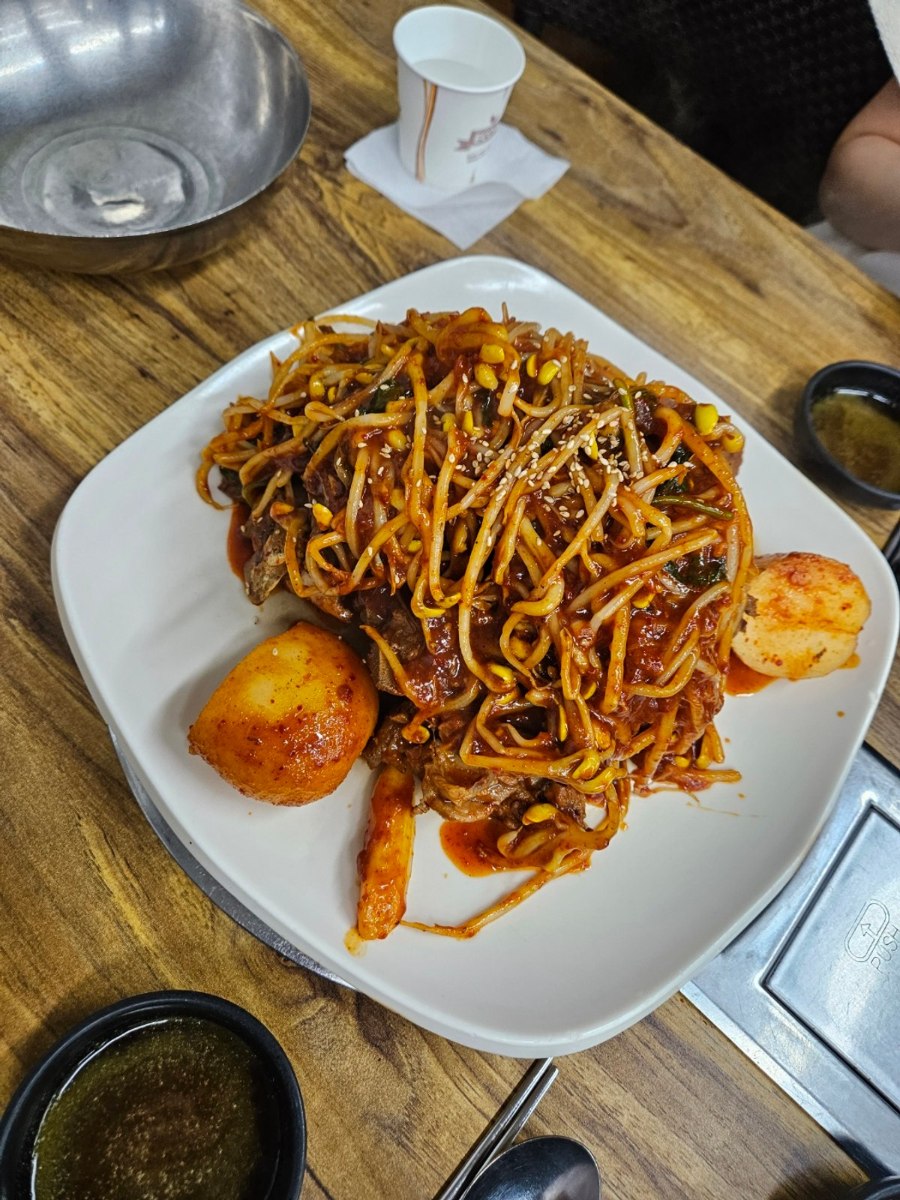
Ppyeojjim has a different emphasis. A self-funded Korean account published by the Seokjaene blog in June 2023 describes bone-in pork with a generous covering of soybean sprouts, small potatoes and rice cakes. The writer found the seasoning more sweet than fiercely hot, the pork tender rather than dry, and the potatoes cooked through. That testimony is useful corrective information for anyone interpreting the red sauce as a promise of extreme heat.
It also makes the choice between the two preparations less arbitrary. The ppyeojjim offers seasoned meat and accompaniments gathered into a principal plate; the gamjatang keeps returning the diner to broth. Neither needs to be defended as more Korean, more serious or more revealing of the person who chooses it. They answer different appetites.
There is a physical commitment to both. Bone-in pork requires attention beyond lifting a ready-made forkful. A large shared order also asks the diners to agree, at least initially, about what dinner will be. Those are considerations for the person arranging the evening. They are not evidence that the people eating become less guarded as the bones accumulate.
The shared format can nevertheless be useful. It allows a recommendation to become a practical act: choose the preparation, explain what arrives, leave room to add something later. Knowledge is most pleasant at a table when it makes the other person’s evening easier. It is less pleasant when every unfamiliar dish becomes an examination.
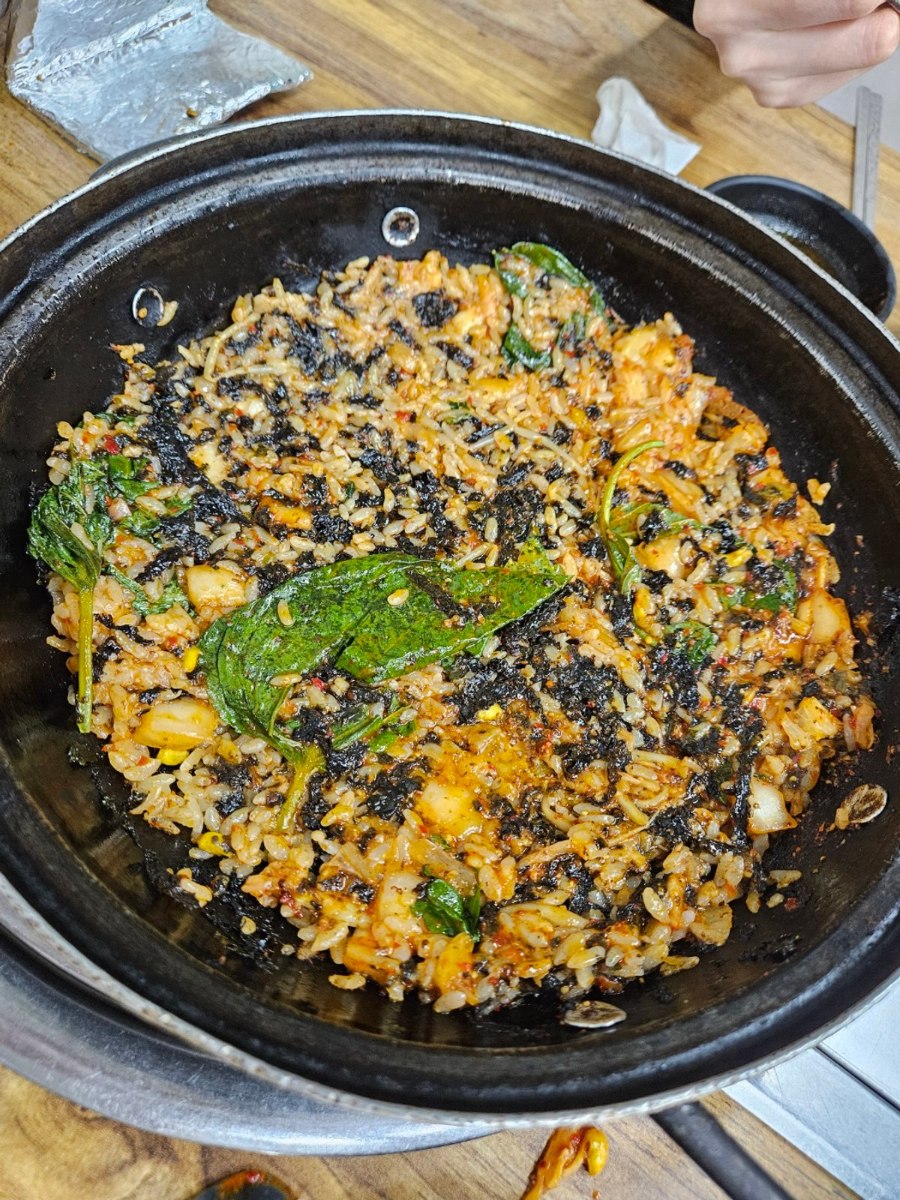
The same Korean writer finished with fried rice, describing kimchi and perilla leaves within it. That is a different conclusion from ordering a second pot. It gives the meal another preparation without restarting dinner. For a first visit, it is worth keeping the possibility in mind rather than ordering so expansively at the beginning that the decision has already been made.
Photograph © 서하니 / 석재네 · Seokjaene · Source · CC BY 4.0 · Uncropped; may be resized and compressed for transfer.
Hannamdong Gamjatang’s late opening should not be confused with instant availability. The business appears on Tabling, and published visits describe queues. A familiar address can be easy to choose and inconvenient to enter. Anyone inviting a group after work should allow for that possibility, especially when some of the group needs dinner sooner than others.
This is where the apparent effortlessness of a restaurant recommendation often ends. It takes little to send a name. It takes more attention to establish whether there will be enough food, whether a shared order suits the party and whether people are willing to wait. None of those questions is made vulgar by the attractiveness of the invitation.
The restaurant has not promised to arrange the friendships. It has offered a large pork dish and unusually broad hours. On the evidence available, that is the strongest case for it: An’s remembered ppyeojjim, a second preparation supported by an experienced retailer’s detailed account, and a meal format that remains meaningful without another interesting person in the room.
A reputation, and a return
Hanchu enters the fashion record by another route. In its 2017 Seoul Fashion Week diary, Harper’s Bazaar Singapore included dinner at the Garosugil restaurant and called it the “best fried chicken place in Seoul”. This was a documented editorial trip, not a survey of where Seoul designers spent their own money. The distinction leaves the dinner interesting; it merely prevents a single visit from becoming a scene.
There is an obvious attraction to the choice. A working itinerary has found space for chicken and fried peppers. The pleasure need not depend on presenting either as an escape from sophisticated taste. A person can admire an elaborate collection and want a fried dinner afterwards without contradicting themselves.
The cooking has advocates beyond the diary. In Kinfolk, George Upton describes crisp, lightly spiced chicken with pickled radish and draught beer. That account supplies the essential relationship: fried food, an acidic accompaniment and something to drink. Hanchu’s reputation concerns an actual preparation, not only the company it has attracted.
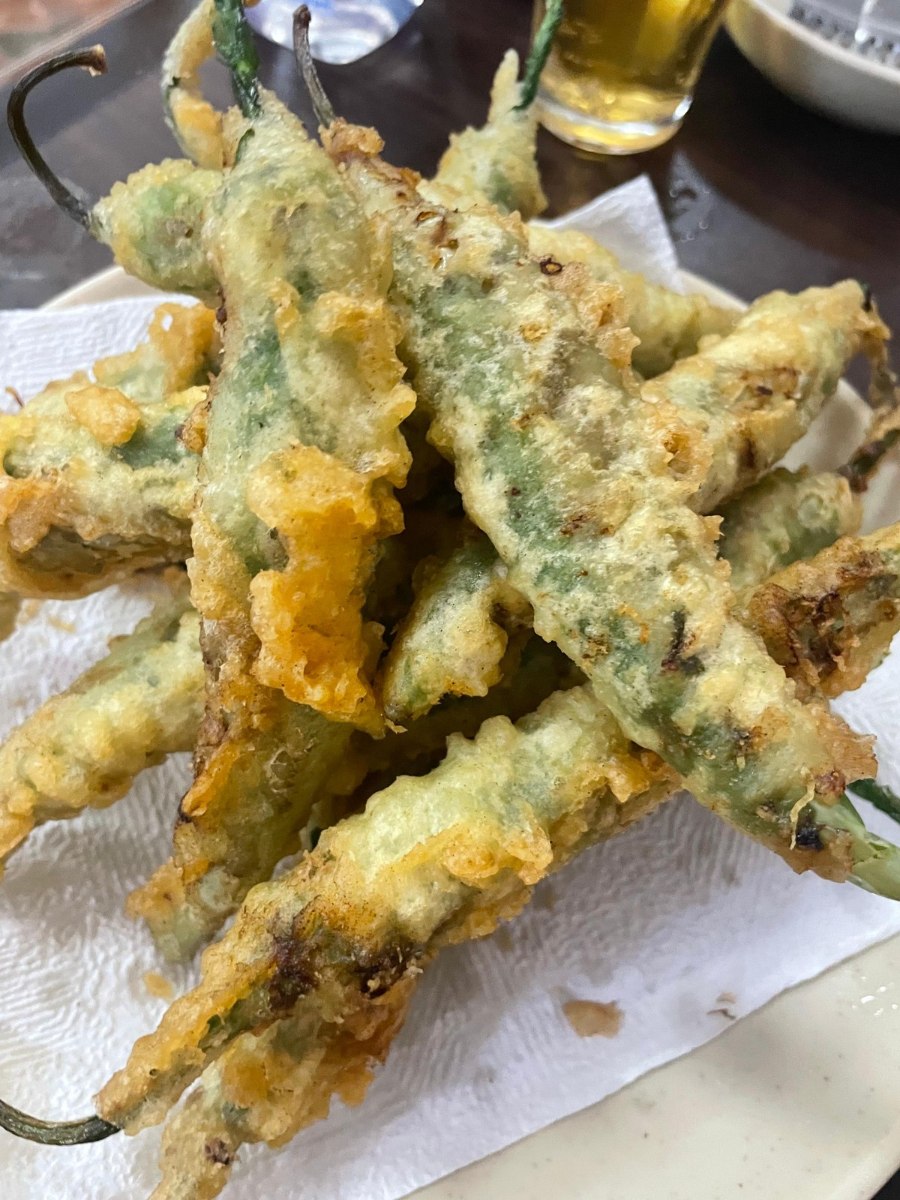
The meat-filled peppers deserve attention of their own. Gochu twigim here is a filled pepper, battered and fried, rather than a few chillies placed beside the chicken. A plate can therefore be a substantial part of dinner. Tteokbokki supplies a sauced preparation alongside the fryer’s work. The useful question is which combination the table wants, not how quickly it can reproduce a familiar photograph of all three.
Photograph © nacholibre · Source · CC BY 4.0 · Uncropped; may be resized and compressed for transfer.
For two people, chicken and peppers is an intelligible starting order; peppers and tteokbokki suits a table more interested in the filled vegetables and rice cakes. A larger group has more reason to order all three. The list offers fishcake soup and other dishes too, but there is little advantage in making the meal complicated before the principal plates arrive.
Current Korean menu listings price the fried chicken and peppers at ₩24,000 each, the tteokbokki at ₩23,000. The rice cakes are almost the price of the chicken. Treat them as an order in their own right, not an incidental extra that will barely register on the bill. Two principal plates cost about ₩47,000–48,000 before drinks; all three cost ₩71,000.
It is possible to recommend that expense. It is also possible to spend it and be disappointed. The age of the restaurant, the absence of elaborate plating and its place in a magazine’s archive offer no protection against an indifferent batch from the fryer.
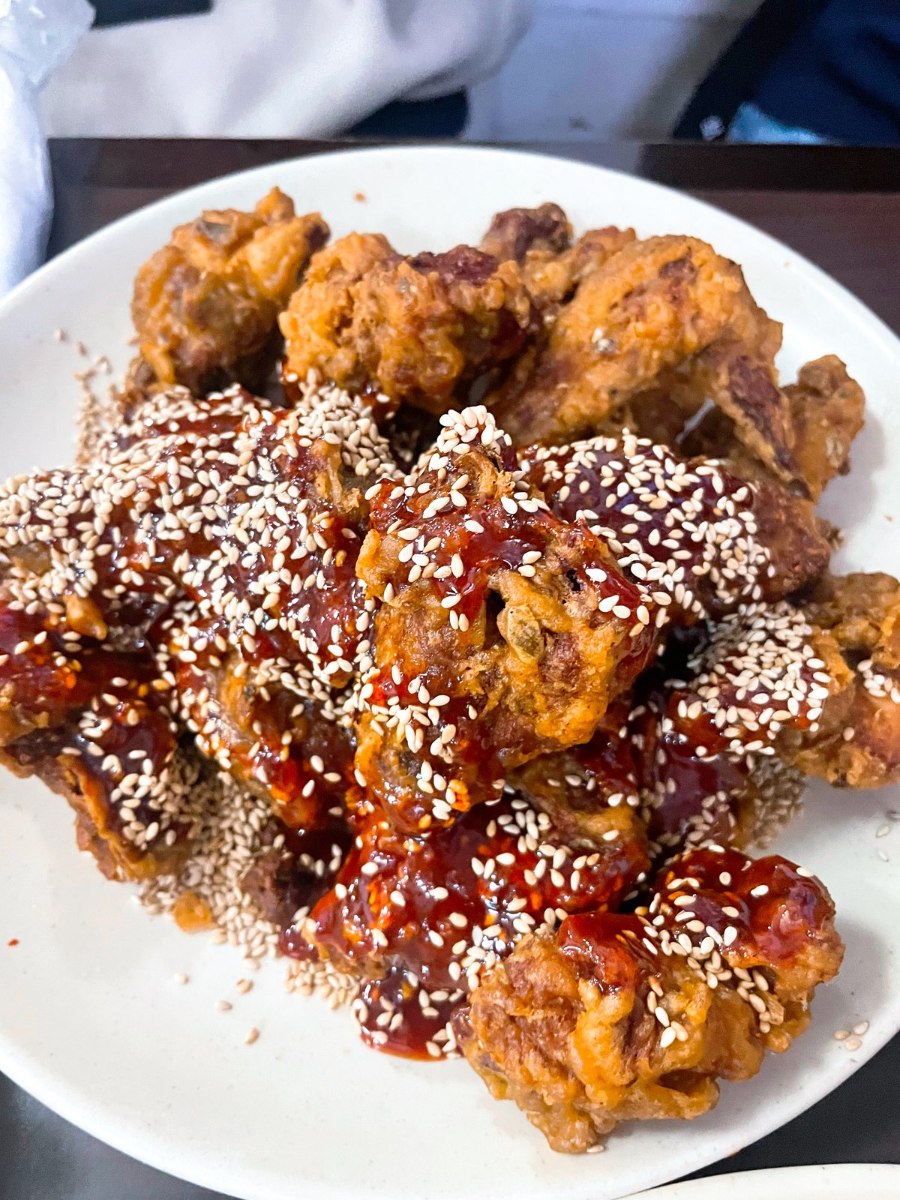
A self-funded January 2025 account by the Korean blogger nacholibre makes precisely that difficulty visible. Returning with good memories, the writer wondered whether those memories owed more to the cooking or to the people who had accompanied earlier visits. On this occasion, the rice cakes seemed bland, the peppers less convincing than remembered and the chicken’s batter too thick and hard. It is one meal’s evidence, but it is evidence that a recommendation based only on affection would miss.
The disappointment is especially relevant because it does not come from someone determined to expose a fashionable address. The writer had wanted to return. That is an ordinary, sometimes uncomfortable position for a regular: the restaurant is familiar, the anticipation genuine, and the food still has to be judged anew.
Hanchu’s strongest supporters describe the pleasures of a crisp exterior and a satisfying meal built around the fryer. The less enthusiastic account describes the point at which the exterior becomes the problem. That is the standard worth retaining. A substantial crust can be part of the appeal, but an old reputation cannot make a hard mouthful tender or supply flavour where a diner finds little.
Photograph © nacholibre · Source · CC BY 4.0 · Uncropped; may be resized and compressed for transfer.
The same January account records an order of non-alcoholic lemon beer. This is a small but important correction to the suggestion, repeated in some diner reports, that Hanchu necessarily requires everyone to drink alcohol. Its precise current drinks minimum still needs confirmation. It is safer to describe a drinks-oriented restaurant with documented non-alcoholic provision than to impose a rule the available evidence does not consistently support.
For the person choosing a professional dinner, the practical obligation remains. Establish the current condition before bringing someone who does not drink, rather than making them negotiate it after sitting down. The invitation should be able to accommodate an ordinary preference without requiring its explanation.
The same applies to the evening’s pace. A group may agree on the restaurant while disagreeing, without yet knowing it, on whether they are having dinner or settling in for drinks. Chicken and beer can be exactly what someone wants after a successful day. They can also be a poor answer to someone who needs a meal and an uncomplicated departure. The cooking cannot resolve that mismatch on the host’s behalf.
Hanchu is consequently a conditional recommendation, not a trophy to collect. Go for the particular combination of fried food and company, with enough interest in the meal to judge it rather than excuse it. Its documented editorial visit explains its place in this story. It does not establish a contemporary fashion-industry consensus, and it certainly does not turn the table next to yours into part of the booking.
The hours require similar restraint. The current listing gives a 23:30 last order from Monday to Thursday, and a later cutoff on Friday and Saturday; Sunday is closed. Arriving between 22:00 and 23:00 allows a usable margin on an ordinary service night. Older international accounts offering a 3 a.m. finish should not be used to plan this dinner. A place can retain its reputation while changing its working hours.
Those limits also belong to the experience. A late kitchen is not a promise to remain available indefinitely. The people making the dinner are still working. Respecting a last order is one way for a guest’s enjoyable evening to stop becoming somebody else’s unplanned extension.
Before the market
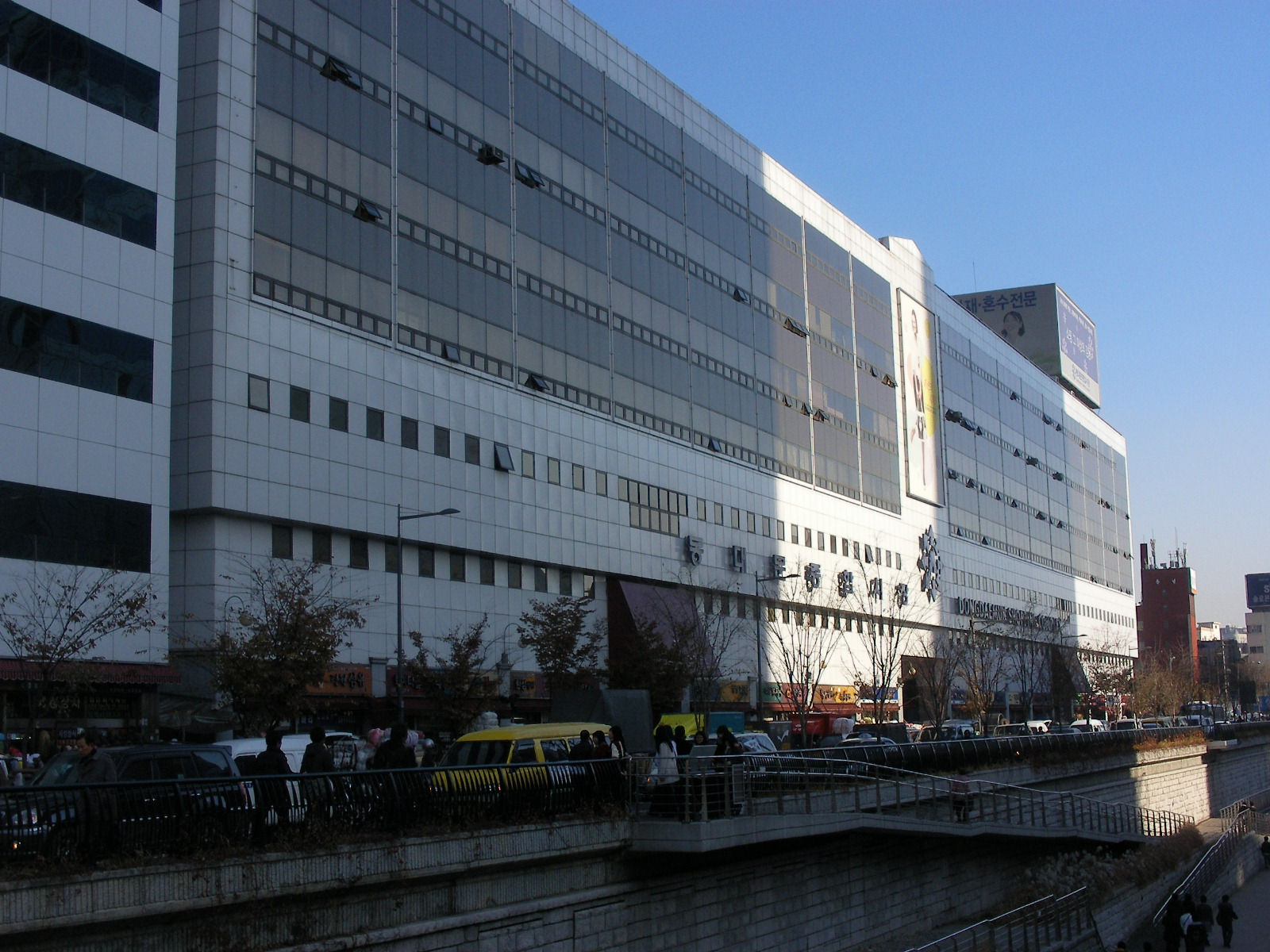
In Dongdaemun, a clothing business supplies a different sequence. A 2023 public post from ByTheR records a visit to Yujeong Sikdang before going to the night market. In June 2026, the company’s account called it a twenty-year regular address. The attachment is self-reported, but its place in the working day is unusually clear. Dinner can precede the next round of work.
This is Yujeong at 28-5 Majang-ro 1-gil, not another Seoul restaurant sharing its name. The address matters more than the possibility of attaching another famous customer to it. Its relevance here comes from clothing work in Dongdaemun and the business that has publicly described using it.
ByTheR’s Lee In-won was identified in a February 2026 Yonhap interview as an apparel designer with two decades in the field. In an earlier trade interview, he discussed the practical work of visiting markets, choosing products and working with suppliers and manufacturers. That history gives the restaurant connection a professional basis. It does not require guessing anyone’s occupation from what they wear.
Sourcing belongs within a fashion story as comfortably as styling or editing. The decisions concern products, quantities, relationships and what a customer might actually buy. A meal fitted around that work has requirements of its own. It should be available at the useful hour. It should feed someone who may have more to do. It does not have to become an event.
Photograph © Martin Röll · Source · CC BY-SA 2.0 · Uncropped; may be resized and compressed for transfer.
Yujeong’s menu makes that last point materially clear. There are individual stews, rice meals, grilled and braised fish, stir-fries and larger dishes to share. The choice is not organized around a single order that everyone must join. Two diners can remain company while eating different things.
In her 2023 late-night Dongdaemun selection for Esquire Korea, Kwon Hyejin identified Yujeong as a long-standing merchants’ restaurant and singled out jeyuk bokkeum, with its sweet-spicy seasoning, and doenjang jjigae. Grilled fish and larger pots were part of the broader offer. The recommendation concerns dinner, not an ornamental snack required to accompany another bottle.
For a first visit, pork stir-fry and soybean-paste stew form a reasonable starting point. They offer contrasting preparations and leave each diner with a clear principal order. Someone more interested in fish could choose the braised hairtail or a grilled fish instead. There is no need to request several stews simply because the menu makes it possible.
Published prices put jeyuk bokkeum at ₩12,000 and doenjang jjigae at ₩9,000. Braised hairtail and several grilled fish preparations are listed at ₩13,000; stir-fried octopus at ₩14,000. These figures make an ordinary dinner understandable without calculating a table-sized package. The order can begin with one main dish rather than a party assembled to justify it.
A broad menu is useful to someone who returns. It allows the address to stay the same while dinner changes. It also gives the kitchen more opportunities to be uneven. A long list is not proof of either versatility or carelessness; it makes the recommendation of a particular dish more valuable.
A September 2024 Korean account, published by the blog Gogogo, records exactly that interaction. Faced with the menu, the visitor asked a staff member for help and ordered the recommended jeyuk bokkeum and pork-neck kimchi stew. The writer praised the pork’s tenderness and the way its seasoning had penetrated, then the combination of kimchi and pork in the stew. It is a specific dining account, not a basis for claiming that every order is equally good.
The act of asking is useful in itself. Regulars have acquired a private edit of a menu; a first-time guest has not. A recommendation from the person taking the order can narrow that distance. In this account, the restaurant supplied one. Nothing more theatrical was required for the unfamiliar guest to decide on dinner.
That is a more tangible form of welcome than the general promise that everyone will feel at home. The guest had a question about food. Somebody answered it. We cannot infer from that exchange how an unfamiliar solo diner will be treated at midnight, but it identifies the kind of competent attention worth looking for.
The company’s twenty-year declaration is a different kind of testimony. It describes accumulated value. A restaurant can become embedded in a working life through the repeated ease of choosing it, the dishes people know and the absence of a need to negotiate the whole evening from scratch. These are plausible reasons for attachment; the post does not disclose their exact proportions.
Nor does its affection oblige a visitor to agree that Yujeong surpasses more expensive restaurants. That comparison belongs to the company account. A reader can accept the strength of the loyalty without borrowing the verdict. What Yujeong needs to do for a first visit is smaller and more demanding: deliver the meal that has just been ordered.
The late-service proposition is credible but requires an important qualification. Korean reporting and visitor accounts describe 24-hour food service, with Saturday evening closed. Some current directories flatten that into round-the-clock daily opening. Until the boundary is directly confirmed, Saturday night should be excluded from a plan. Familiarity may allow a regular to navigate these details instinctively; a visitor deserves to have them spelled out.
Price alone does not make this the most usable restaurant for everyone. A ₩9,000 stew across the city may be a less sensible choice than a more expensive meal near the end of one’s actual day. The advantage is geographical for people already working around the market. It is not a moral argument for making everybody else cross Seoul.
That leaves Yujeong with a clear reason to visit: a substantial rice-and-main-dish dinner, a menu with choices beyond one shared special, and a documented relationship with the work taking place nearby. It does not need to be the modest restaurant that corrects the fashionable ones. It is one of the restaurants through which fashion work continues.
What to order next
The three addresses produce no single account of what happens when fashion’s working day ends. An remembers a dish in the area of his home and office. Sumitani’s story allows a professional encounter to become a friendship. Hanchu’s editorial-trip record contains a restaurant choice, not proof of a private habit. ByTheR’s post places dinner before more work. The distinctions are the story, rather than obstacles to finding a crowd.
They also change what a good recommendation owes the person receiving it. At Hannamdong Gamjatang, explain the difference between the pork preparations. At Hanchu, establish the drinks conditions and take the last order seriously. At Yujeong, use the right address and do not assume that a 24-hour listing erases the Saturday closure. Restaurant knowledge becomes valuable in these small acts of consideration.
There can still be pleasure in the room and its associations. Someone may enjoy being recognized, enjoy dining with colleagues, even enjoy the sense that an evening will lead to another interesting piece of work. No liberation is required. The meal becomes disappointing when those possibilities are expected to compensate for dinner, or when one person’s enthusiasm leaves no room for anybody else’s preference.
Sumitani’s friend offered a more appealing form of expertise: concentrate on the pork dishes here. The advice made the choice smaller. It is an excellent quality in a companion, knowing enough about a restaurant to help another person eat well without turning the knowledge into the evening’s principal subject.
At Hannamdong Gamjatang, there is the ppyeojjim An remembers and the kimchi-rich pot Sumitani chose. Either is a reason to make a table. Then, if there is still an appetite for it, the fried rice: another preparation, something further to share, and a decision that can wait until dinner has begun.
Planning a late dinner
Online sources reviewed 9 October 2026. Hours and prices below are published information, not telephone-confirmed promises. For a time-sensitive late arrival, confirm food service with the restaurant that day.
Hannamdong Gamjatang — 한남동감자탕 본점
Where: 73 Daesagwan-ro, Yongsan-gu, Seoul. Also listed under the older name 24시뼈다귀감자탕. Late food: the operator advertises this main branch as 24 hours; substantial night dining is documented. No separate overnight food cutoff is published in the sources reviewed.
Order and cost: two-person ppyeojjim about ₩36,000; gamjatang ₩32,000; aged-kimchi gamjatang ₩36,000, before rice, additions and drinks. Access: queueing is documented and the restaurant is listed on Tabling. Individual meals appear in listings, but overnight solo availability and reservation exceptions were not confirmed. Limitation: a late opening is not an immediate table; branch and holiday hours may differ. Telephone: +82 2 790 8309.
Hanchu — 한추 / 한잔의추억
Where: 68 Nonhyeon-ro 175-gil, Gangnam-gu, Seoul. Late food: the current listing gives Monday–Thursday closing at midnight, last order 23:30; Friday–Saturday closing at 01:00, last order 00:30; Sunday closed. Plan to arrive between 22:00 and 23:00. The listing does not separately identify last food versus last drink orders, so confirm that the quoted cutoff applies to your meal.
Order and cost: chicken ₩24,000; filled peppers ₩24,000; tteokbokki ₩23,000. Two plates are approximately ₩47,000–48,000 before drinks. Access: walk-in, shared-plate dining is documented; solo seating, reservations and group exceptions are not directly confirmed. Limitation: clarify the drinks minimum and current non-alcoholic choices; reports conflict. Do not use older 3 a.m. opening claims. Telephone: +82 2 3446 5778.
Yujeong Sikdang — 유정식당, Dongdaemun
Where: 28-5 Majang-ro 1-gil, Jung-gu, Seoul. Late food: Korean late-dining reporting supports substantial overnight meals; published accounts describe 24-hour operation with Saturday evening closed. Use Sunday–Friday evenings, subject to same-day confirmation. The precise Saturday closure boundary and full overnight menu have not been operator-confirmed.
Order and cost: pork stir-fry about ₩12,000; soybean-paste stew ₩9,000; braised hairtail or listed grilled fish ₩13,000. Access: individual meals and solo use are documented; larger-group and booking conditions remain unverified. Limitation: directories disagree about Saturday. This is the Dongdaemun restaurant, not a namesake elsewhere in Seoul. Telephone: +82 2 2232 5727.
Going back: establish your last usable rail connection before dinner; a station being open does not guarantee the connection you need. Check a suitable overnight bus or budget for a taxi. These are alternatives for separate evenings, not a three-stop itinerary.



.png)
